
EMERGENCY GUIDE
What to Do After the Wildfire
A simple guide for the first 10 minutes, 1 hour, and 24 hours.
START HERE
First 10 Minutes
Get yourself, your people, and pets to safety.
Follow evacuation orders right away.
Grab your go-bag if it’s ready.
IF NOT, TAKE:
Phone and charger
Medication
Pets
Wallet or ID
Keys
Wear sturdy shoes if possible
Leave. You can figure the rest once you’re safe.
NEXT STEP
If You Have 1 Hour
Pack essentials
if you can
Close windows and doors
Wear protective clothing
Take photos or
videos of each room for insurance
Move flammable
items away from the house if possible
STABILIZE
Your First 24 Hours
Check in with family
or choose a meeting point
Register with
disaster services like the Red Cross
Contact your
insurance as soon
as you can
Do not return
until officials say
it is safe
Share your location with a trusted
contact
Save receipts for
food, gas,
and lodging
Monitor air quality
and limit smoke
exposure
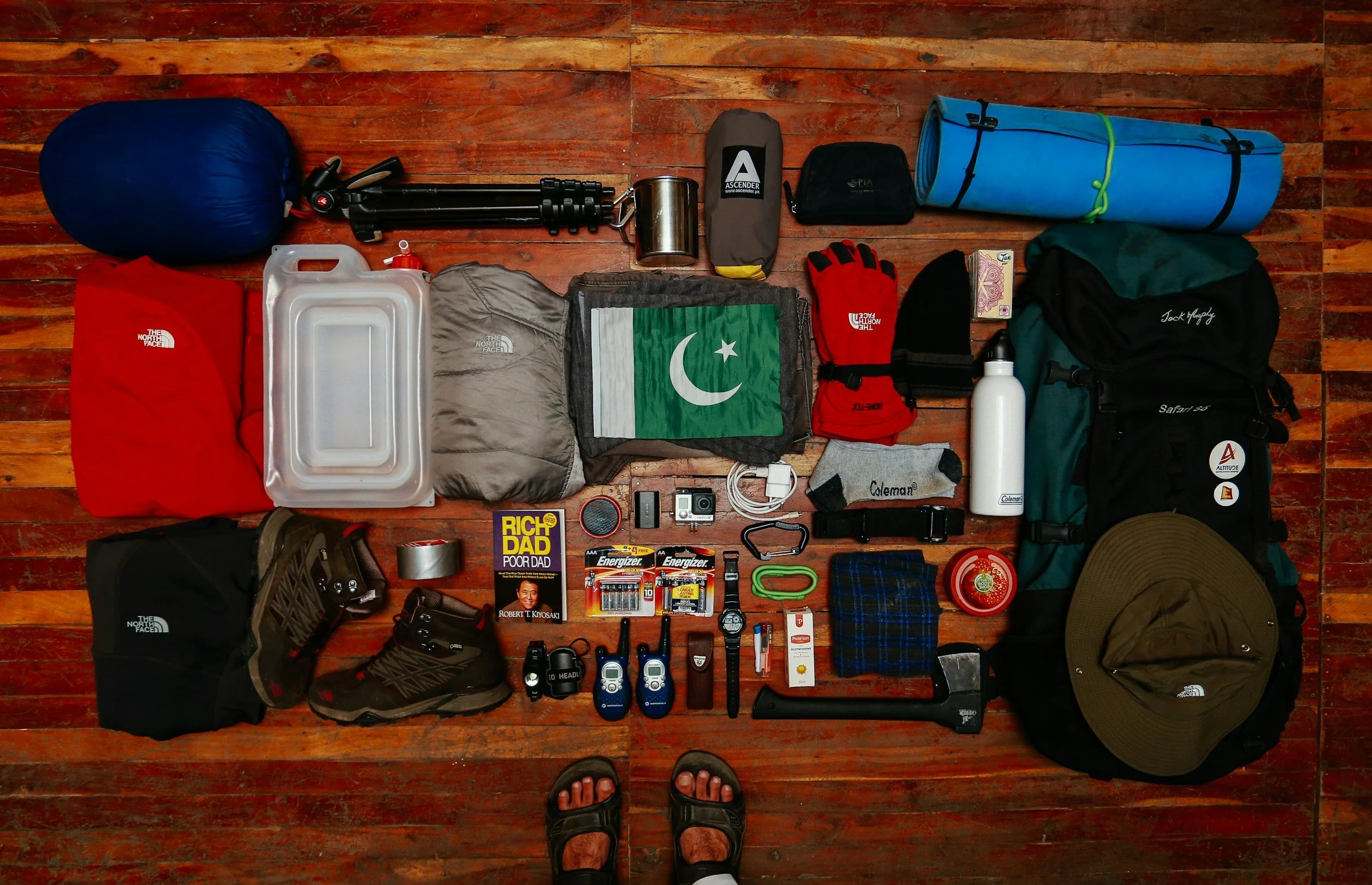
Build Your Go-Bag
You don’t need to get this perfect. Start with the basics.
Essentials
Water as much as you can carry, ideally
up to 1 gallon per person per day for 3 days.
Flashlights and batteries
Portable phone charger
First aid kit
Medications for you and your pets
Cash
Wildfire-specific
N95 masks
Goggles
Cloth or bandana
Non-perishable food
Personal
Copies of ID and important documents
Change of clothes
Hygiene basics
Glasses or contacts
For families
Kids: snacks, comfort item
Pets: food, leash, carrier, medications
Most people don’t have everything ready. That’s normal. Focus on getting out safely.
Not Just Wildfires
Flooding: move to higher ground,
avoid standing water
Earthquakes: expect aftershocks,
avoid damaged buildings
Power outages: preserve battery,
limit opening fridge
Local Resources
Evacuation updates
(LA County Emergency)
Emergency shelters
(Red Cross)
Animal shelters
Air quality updates
(AirNow)
After the First 24 Hours
Recovery looks different for everyone. We are working on ways to support families through rebuilding, essentials, and community connections.